A session (or your day) can go in a million different directions, you can’t plan everything.
Hello again!
It’s hard to believe that I am finishing up my fourth week at MTC! Time has flown by, but it also feels like I’ve been here for longer than that…in a good way!
This week has definitely tested my skills as a future music therapist. Due to unforeseen circumstances, I was given the opportunity to fully lead all of my sessions this week (with supervision). When I got to my internship site Monday morning, I had no idea that this was going to happen. This week became another chance for learning that sometimes you have to just “go with the flow.”
We’ve all heard this phrase at least once in our life. Though people may say it jokingly, this phrase can also be completely accurate and needed in the professional world, especially as music therapists.
I am very much a planner. I like to plan out my sessions as well as my everyday life. It took me a long time to be even a little bit comfortable with not planning every detail in a session. This internship is really pushing me to feel okay with “going with the flow” as some of the sites I am at require sessions that are full of improvisation and clients deciding what to do in the sessions.
There is a concise word for “go with the flow”: flexibility. Now, I’m not talking about touching your toes without bending your knees, because I definitely can’t do that. I’m talking about taking things as they come. I’ve learned that flexibility is a valuable skill to have as a future music therapist.
How often does your day go exactly as you pictured? How often does a session go exactly the way you planned? I know my answer to these questions: hardly ever. Though I like to plan as much as I can, something I did not expect always happens and “upsets” the plan.
Session plans are a wonderful tool. They provide structure and a direction for each session. They also are often my “security blanket” during sessions. However, I have to be careful about not overplanning.
Be open to taking the session in a different direction as the session goes on. Be open to following the client’s direction. Be prepared for unexpected things to occur. A session (or your day) can go in a million different directions, you can’t plan everything.
Here are a few things I have learned about being flexible:
Flexibility is often a learned skill.
I definitely have not always been flexible, and am still working on this skill. It takes time and practice.
Flexibility can be difficult.
It can be hard to get away from the session plan. Go with your gut and trust it. It’s often what the client needs.
Sessions often go better when you are flexible.
At least I have found this to be true. When I don’t have time to overthink, the session goes much smoother.
These past four weeks I have been “thrown into” a lot of sessions. Some I knew about a bit beforehand, and some I didn’t. Though it can be scary, I especially encourage students and interns to be willing to “go with the flow.” If you practice it now, it will help you in the future.
I will be continuing to work on improving my flexibility while still being very prepared for my sessions. Hopefully I find a happy middle ground! What are you? Are you a planner? Do you go with the flow? Are you somewhere in the middle? Let me know!
Thanks for reading! Have a fabulous rest of your week!
Emma Kovachevich
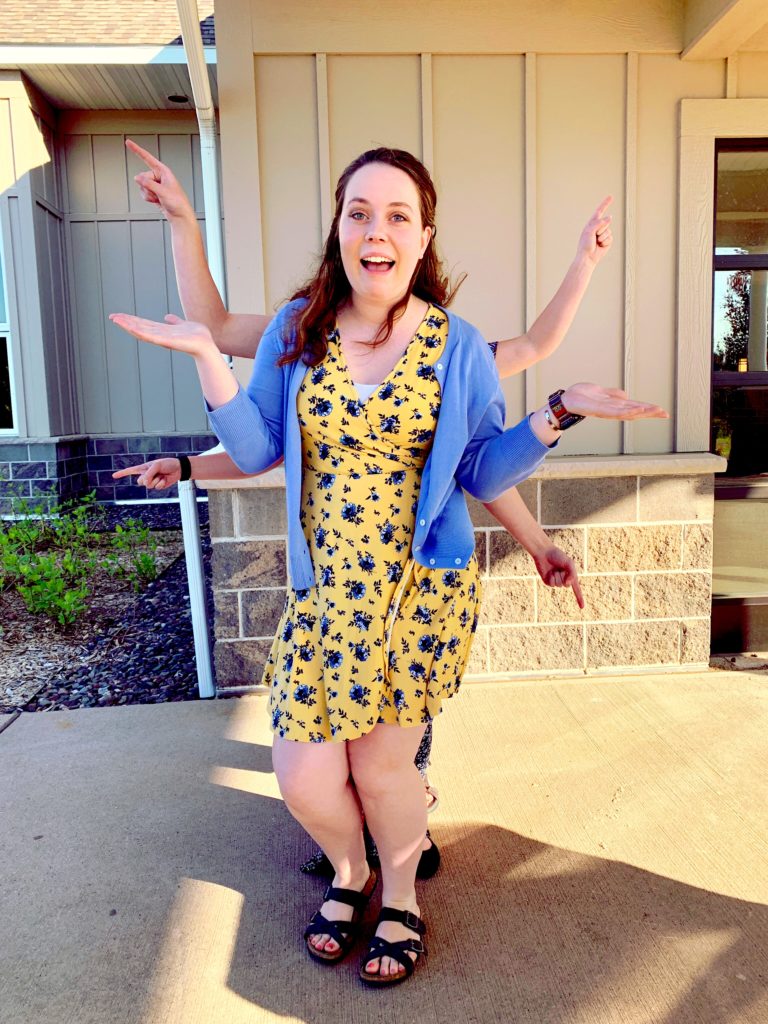
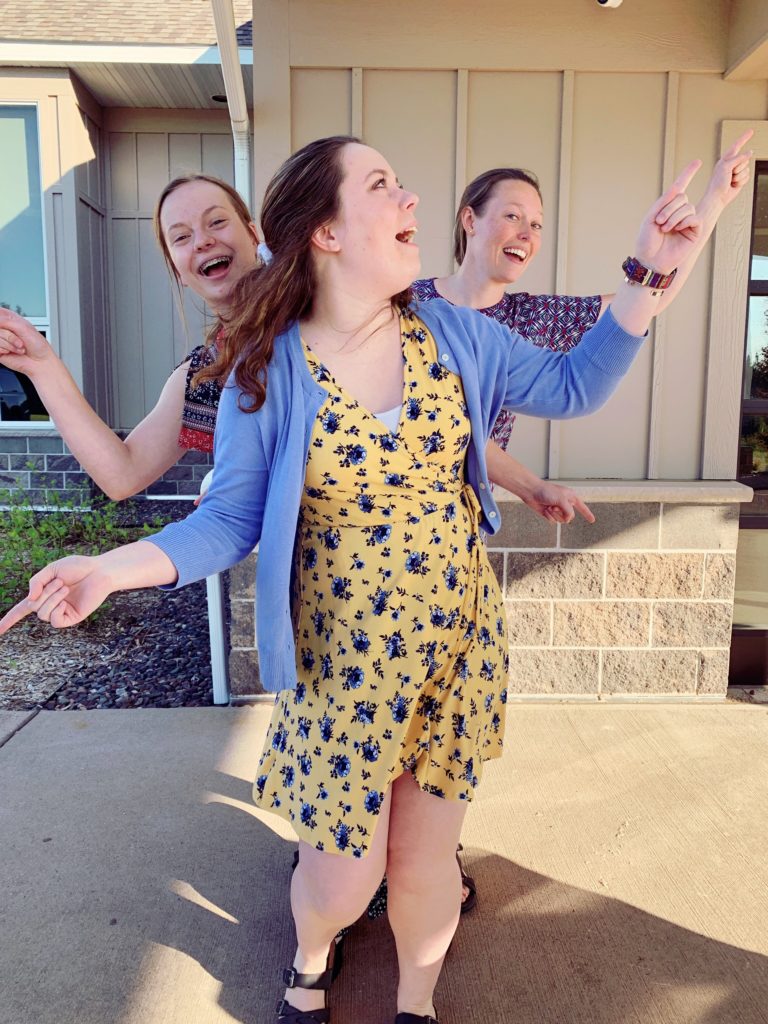
Special thanks to my sister, Sophie, and my cousin, Jennifer, for helping me out with this week’s blog pic! :)
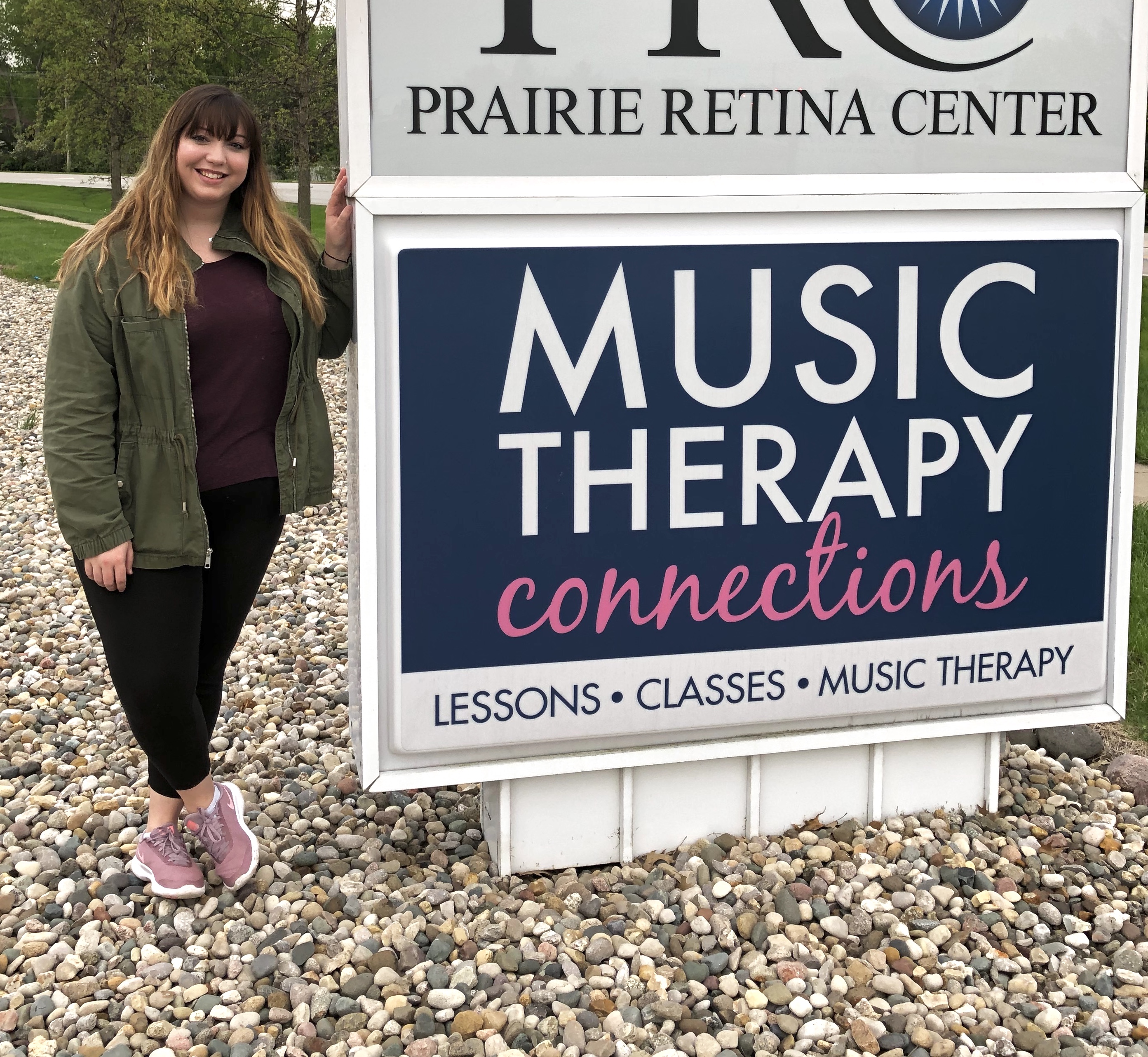
Hi everyone! My name is Molly Robitaille and I am so excited to join the wonderful team here at Music Therapy Connections as a new music therapist. For this post, I wanted to share a little about myself.
I am fresh out of college and my music therapy internship. I attended Molloy College on Long Island, New York and completed my music therapy internship during senior year in a local school district.
I just moved to Springfield from Connecticut! Although I went to college in New York, I grew up in Northwest Connecticut. This was a big change for me, but I am very excited to be doing what I love and surrounded by such awesome people.
I am primarily an oboist, though I also play the piano, guitar, saxophone, and ukulele in addition to singing.
I am thrilled to be here! This job is a dream come true for me, and I am so excited to help my students and clients reach their full potential through the power of music.
Thanks for taking the time to get to know a little bit about me! I look forward to contributing to the MTC blog more in the future, as well as getting to know all of the families that MTC serves.
This week has been a challenging one for me. I am leading sessions more and more, getting to know clients, learning repertoire, and writing songs, and it can be a little overwhelming at times.
However, I am learning so much through these experiences. I am seeing areas where I am growing, and areas that still need a lot of work. It is good to know these qualities about myself, but, unfortunately, I tend to focus on the “negatives.”
The people close to me, as I do, consider me a “perfectionist.” Everything needs to be absolutely perfect. I tell myself that the music in sessions needs to be perfect, the songs I am writing need to be perfect, my social skills need to be perfect, I need to get an A on everything, etc. I am quickly learning that these thoughts are not actually helping me. In fact, these “perfectionist” tendencies are holding me back.
I have come to the realization that I keep focusing on where I need to be, instead of where I am at now. I thought that this was benefiting me, but in reality, it is not. I am not a professional yet. I don’t have to have all the answers (and never will, even when I am one of the professionals). I am still a student. I am still learning, and will continue to learn for the rest of my life. I need to take one day at a time and focus on the growth I am making day to day.
“Perfect is a nasty word.”
This is something one of my supervisors, Alisabeth, told me this week. She said that this is not a word we should say to our clients, and definitely not to ourselves. This puts a false expectation in our heads. In therapy, we should not strive for perfection, but improvement.
“You don’t have to be perfect. You just need to be effective.”
This is another thing I was told this week, and it has really stuck with me the past couple of days. A client isn’t going to care if you play the wrong chord or mix the words up. What matters is how you handle yourself when these things occur (because they will) and continuing to be effective in the therapeutic process.
As I am sitting here writing this blog, I have been contemplating these questions. Here are some questions for thought:
What is “perfection”?
Who decides what “perfection” is?
Is “perfection” even achievable?
I know I am not the only one who struggles with perfectionism. This seems to occur in many music therapists as well as musicians in general, and likely every career imaginable. I am starting my journey in getting over this mindset. In a later blog, I hope to update you all on how I am getting over my “perfectionism.” In the meantime, I would love to hear from those of you who are also “perfectionists” and what has helped you get past this mindset!
Hello! I hope you have had a wonderful week! This week I have been working a lot on my musical skills. As I was practicing, I reflected on my own musical skills and how important these skills are to music therapists.
When someone hears “Music Therapy” for the first time, two somewhat obvious things probably pop into their head: music and therapy. As music therapists or future music therapists, we learn so much about both musical skills and clinical skills in our education.
Both musical skills and clinical skills are incredibly important in this profession. Since we are therapists, some may place a greater emphasis on the clinical skills aspect, but we can’t forget about our musical skills.
Throughout our education, we take so many classes that play into our musical skills. These include music theory, aural skills, classes on various instruments including guitar, piano, voice, and percussion, and ensembles on our primary instruments. If you think about it, we may even spend more time on our musical skills throughout college than our clinical skills.
Being a musician is HARD. A lot of musicians may be drawn to a certain instrument. For me, that is voice. I’ve spent my whole life singing. Thus, this part of my education came easy to me, but learning new instruments is difficult, especially when you’re a young adult.
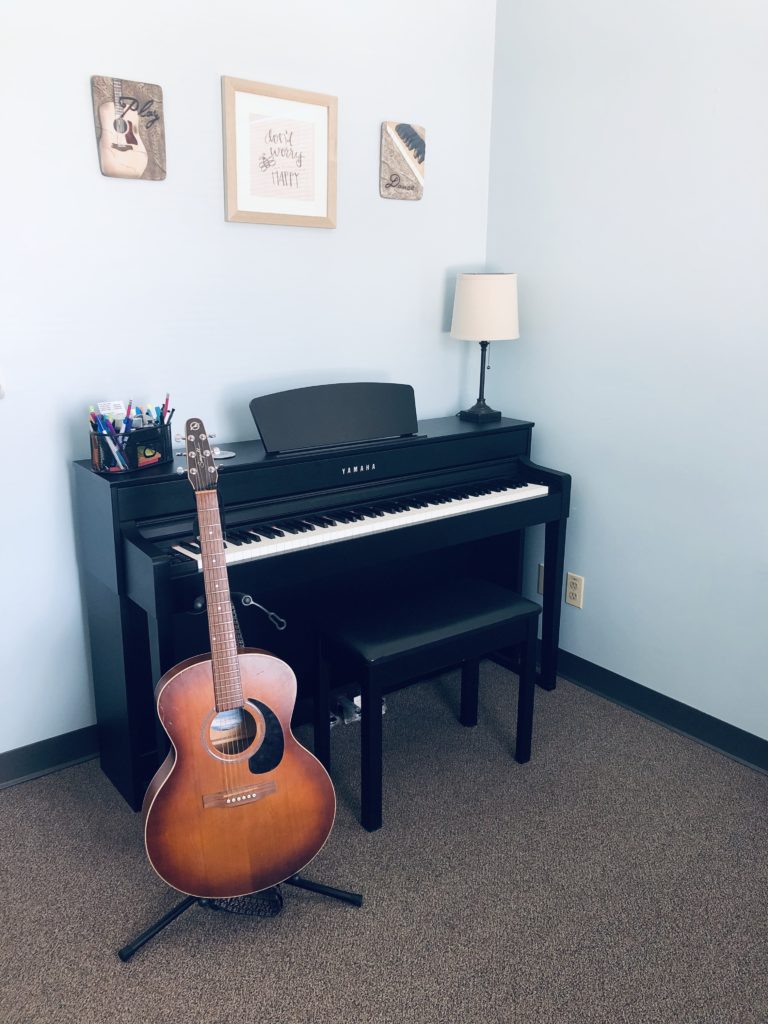
Piano has always been a struggle for me. I took piano as a young child, but quit after a few years, as I really preferred my voice lessons. I also never imagined I would enter a field of work where piano skills would be helpful. If there was one thing I could change in my life, I would go back and continue those lessons.
In regards to guitar skills, I had never even touched a guitar until my sophomore year of college. I went through the blisters and calluses, and continue to do so, as a beginner guitar player. Some say that this is one of the easiest instruments to learn, but it sure was difficult for me.
As my first two years of college were jam-packed with the classes previously listed, my musical skills began to develop. It can be rather easy to feel “comfortable” with your musical skills after those first two years; I know I did. However, it’s important to remember that we are always learning and should strive to know more and get better, just like with our clinical skills. Let’s consider the following points:
Music is how we reach our clients.
Sometimes clients see us because nothing else is able to reach them. Music can speak to a client in ways that nothing else can. Not to mention, using client-preferred music builds great rapport between the client and therapist. This strengthens the therapeutic relationship and trust. Music can build connections.
The music needs to enhance the session, not distract from it.
Our musical skills are so important as we use music in each and every session. We want our skills to be functional enough that they engage the client and enhance the session. If the therapist doesn’t know his/her music or is not confident, that distracts from the therapy session. This may result in not achieving, or even preventing the chance in achieving, the clients’ goal(s). Musical skills are important!
Music is what makes us unique.
It’s in the name: Music Therapists. No other profession has the knowledge and skills regarding music and using it effectively in a therapeutic setting like we do. It’s important to not let go of the musical skills that make us so unique.
By no means am I stating that musical skills are more important than clinical skills, or vice versa. Rather, we simply must not forget how important both sets of skills are.
Thank you for reading and have a great rest of your week!
I am finishing up my first week at Music Therapy Connections, and I am so happy to be here. Some of you may have read my first blog post a month or two ago where I introduced myself as the new MTC intern, and I am thrilled to have finally started this week!
This week has proven to be challenging, yet rewarding. I attended quite a bit of training, but also had the opportunity to observe, and even co-lead a few sessions.
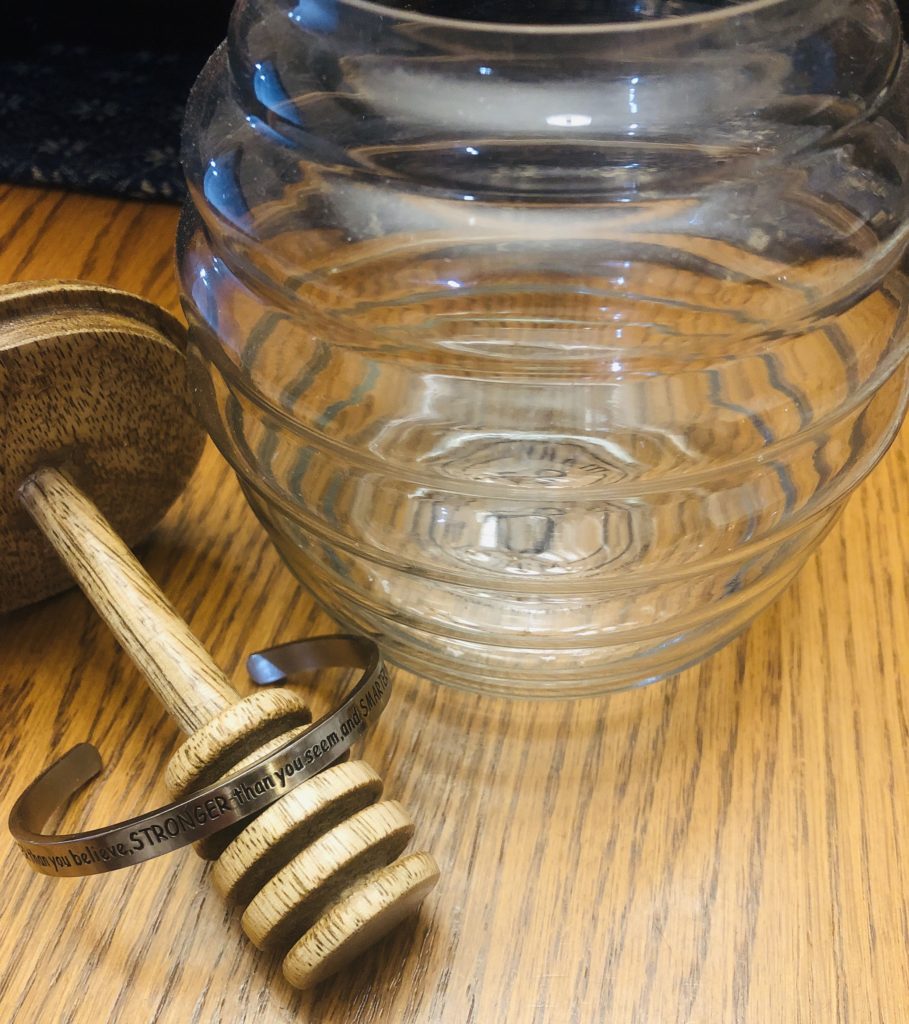
Like a lot of people, I have a problem with getting in my own head. Every day I wear a bracelet with a quote from Winnie the Pooh on it that says, “You’re braver than you believe, stronger than you seem, and smarter than you think.”
This is something I tell myself whenever I face a new or particularly challenging situation. I think that everyone could benefit from hearing this quote from time to time.
You’re braver than you believe.
Whether you know it or not, you are brave. No matter what your occupation or status, it takes bravery to simply be yourself. Sometimes things push you out of your comfort zone, and it takes bravery to accept these challenges.
During this first week at MTC, I was given the opportunity to lead a few songs and co-lead a session. In one hour-long session, I had never met the client before. If I was asked a month ago to do this, with little preparation time, I am unsure what the outcome would have been. It took bravery for me to do so this week, and I am so glad I had the opportunity to push myself this way. I was able to step out of my comfort zone and even be successful.
If you are in a similar situation and feeling nervous about any new endeavor in your life, remember that you are braver than you believe.
You’re stronger than you seem.
Strength doesn’t have to be in muscle. Strength can be seen in many forms such as passion, grit, and determination.
I found strength in myself this week through perseverance. I made mistakes this week. It’s part of learning. Everyone makes mistakes. It’s important to remember that most mistakes don’t matter in the grand scheme of things, it’s what you do afterwards that matters.
Everyone encounters situations where they do not feel strong enough, but remember that your strengths may look different than others and may change from situation to situation. Keep using your own strength, and remember that you are stronger than you seem.
You’re smarter than think.
This is something I have to tell myself constantly. A lot of people have self-doubt, especially in new situations, unfamiliar places, or when meeting new people. In these cases, we may feel like we have forgotten everything we have been taught, or doubt that we ever knew anything in the first place. At these times we need to remember that we actually do know some stuff, and even if we don’t know it all, there are people around us to help.
I was terrified that I wasn’t going to remember everything from my classes when starting internship (let’s be honest, it’s extremely unlikely to remember everything anyways), but I proved to myself this week that I remember and know a lot more than I think I do. Don’t let your own self-doubt get in the way, and remember that you are smarter than you think.
Do you have a favorite quote that you use in your everyday life?
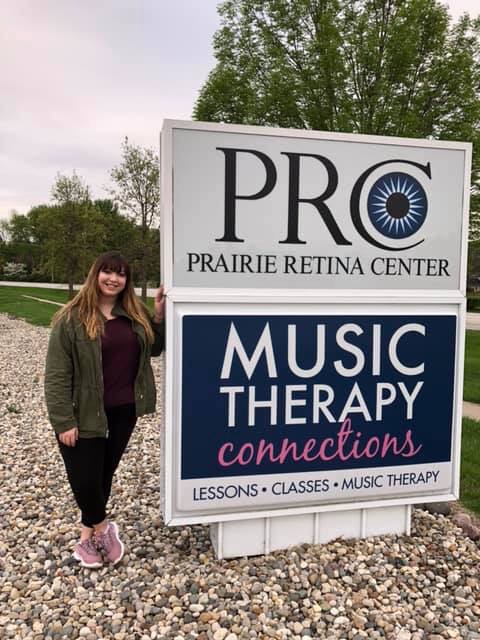
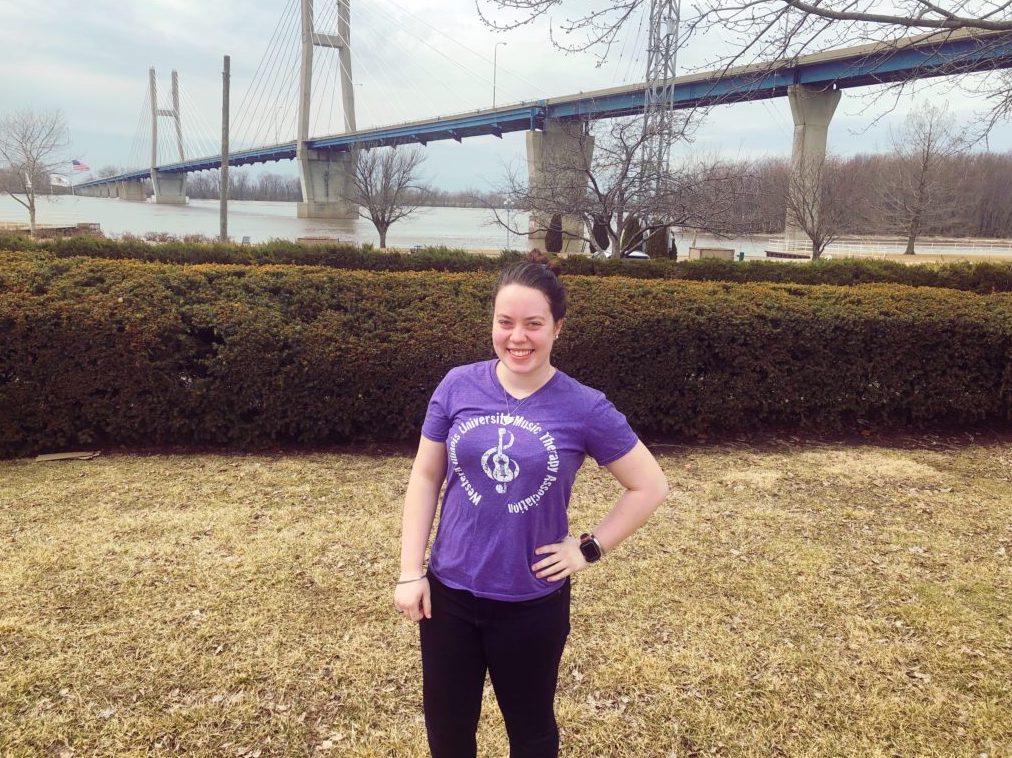
Hello, everyone! My name is Emma Kovachevich and I will be Music Therapy Connection’s Intern starting at the end of May. I am so excited to start this new adventure in my life and am very grateful for the chance to intern at MTC.
I
have been following Music Therapy Connections on social media for the last four
years. It is crazy for me to think that I have been given the opportunity to
study and learn under Rachel, Katey, and the rest of the MTC team. This is
truly my dream internship and I can’t wait to share my journey with all of you
in my weekly blog posts.
Since I will be writing to you each week after I begin my internship, I suppose you may like to know a little about me! I am from Huntley, IL, which is a western suburb of Chicago.
My family is made up of talented musicians, so I was surrounded by all types of music at a very young age. I started taking voice lessons at 5 years old and quickly learned that it was something I loved to do. I also have participated in choir since grade school. I played the oboe in my grade school and high school band. I have not had the opportunity to play oboe recently, but have picked up guitar, piano, and ukulele.
I am currently a student at Western Illinois University and will walk in commencement in May 2019. At Western I have been a member in multiple ensembles including University Singers, Vocal Jazz Ensemble, and Concert Choir. I am also a member of the WIU Music Therapy Association, Sigma Alpha Iota, and Lutheran Student Fellowship.
I will miss WIU, but I look forward to all the new experiences and knowledge I will gain at Music Therapy Connections.
My
next big adventure will be traveling to Cincinnati, Ohio for the GLR Music
Therapy Conference! If you see me there, please don’t hesitate to say hi!
This application is a great way for adults with special needs or older adults to work on sequencing, and/or cognitive and memory skills. The song’s natural flow and built in verse structure is an effective way to prompt clients to remember the order of objects sung about, and the fun melody keeps everyone anticipating what they are about to sing about next!
Possible Goals Addressed:
Sequencing
Maintaining memory skills
Music Used:
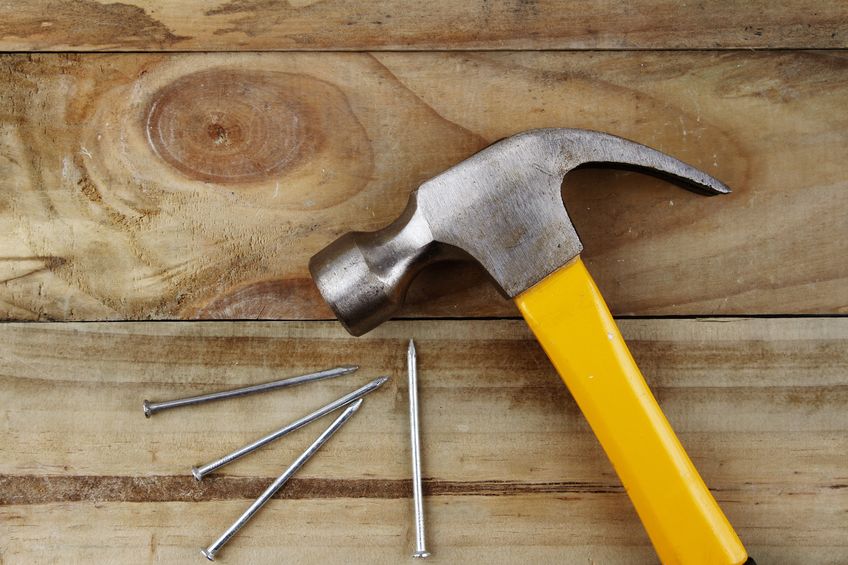
Seeger, P. & Hays, L. (1950). If I had a hammer. [recorded by The Weavers] On Banks of Marble [LP]. Hootenanny Records.
Materials needed:
none
Application:
The music therapist will sing the song “If I Had a Hammer” by Peter, Paul and Mary. The music therapist will sing the song once more and will prompt the clients to fill in the blanks for ‘hammer’, ‘bell’ and ‘song’. “If I had a___”. The therapist can also introduce hand motions to provide additional cognitive/motor integration during the application.
Lyrics
If I had a hammer,
I’d hammer in the morning
I’d hammer in the evening,
All over this land.
I’d hammer out danger,
I’d hammer out a warning,
I’d hammer out love between my brothers and my sisters,
All over this land.
If I had a bell,
I’d ring it in the morning,
I’d ring it in the evening,
All over this land.
I’d ring out danger,
I’d ring out a warning
I’d ring out love between my brothers and my sisters,
All over this land.
If I had a song,
I’d sing it in the morning,
I’d sing it in the evening,
All over this land.
I’d sing out danger,
I’d sing out a warning
I’d sing out love between my brothers and my sisters,
All over this land.
Well I got a hammer,
And I got a bell,
And I got a song to sing, all over this land.
It’s the hammer of Justice,
It’s the bell of Freedom,
It’s the song about Love between my brothers and my sisters,
All over this land.
It’s the hammer of Justice,
It’s the bell of Freedom,
It’s the song about Love between my brothers and my sisters,
All over this land.
This application uses a simple call and response tune to facilitate an instrument activity that challenges clients to listen and follow along as the song gradually moves faster and faster!
I love how the music and lyrics naturally motivates clients to listen and move together, providing ample opportunity for clients to work on gross motor movement and other auditory skills.
Possible Goals Addressed:
gross motor and fine motor movement
discrimination of fast and slow
tolerating transitions
Music Used:
Jenkins, E. (1996). A Trains-A-Coming. [recorded by Ella Jenkins] On Jambo and Other Call and Response Songs and Chants [CD]. Washington, D.C.: Smithsonian Folkways Recordings
Materials needed:
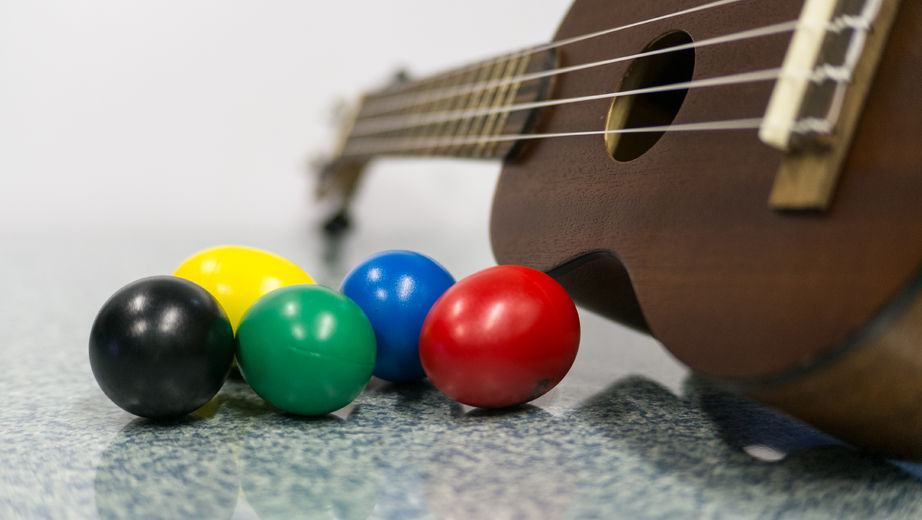
shakers
Application:
The music therapist will pass out shakers to each client. After prompting the clients to listen and move with her, the music therapist will begin to sing the song at a slow pace. (optional call and response can be added for added engagement).
As the song progresses, the music therapist will gradually increase the tempo, so as to imitate a train accelerating, prompting the clients to shake faster. Adaptions can include prompting clients to lead the change in tempo through visual aids of red lights, yellow lights, and green lights.
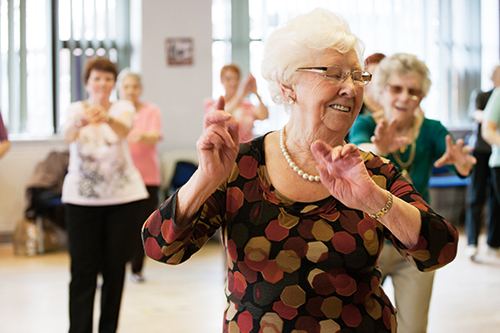
This application is a fun way for adults with special needs or older adults to get active and try out different body movements together. The lyrics are set up perfectly to allow for various body movements to be added into the song, making it the ideal song for your next body movement application!
Possible Goals Addressed:
Positive social interaction
Gross motor movement
Coordination
Increase duration of body movement
Music Used:
Domino, F. & Bartholomew, D. (1957). I’m Walkin’. [recorded by Fats Domino] On Here Stands Fats Domino [LP]. Imperial Records.
Materials needed:
None (instruments may be added to motivate additional movement if desired)
Application:
The music therapist will sing the song “I’m Walkin'” by Fats Domino. The music therapist will then prompt clients to engage in various body percussion actions. The music therapist will insert the new action into the lyrics (i.e. “I’m [clapping] yes indeed…). For an added challenge, the music therapist can ask clients to think of actions of their own and change the lyrics to [I’m moving like [client’s name].
Lyrics
*Lyrics may be adapted from “for you pretty baby I’ll even die” to “For you, I’ll even cry” depending on the context of the group.
I’m walkin’, yes indeed and I’m talkin’
About you and me, I’m hopin’
That you’ll come back to me, yeah-yeah
I’m lonely as I can be, I’m waitin’
For your company, I’m hopin’
That you’ll come back to me
What you gonna do when the well runs dry?
You gonna run away and hide
I’m gonna run right by your side
For you pretty baby I’ll even die
I’m walkin’, yes indeed and I’m talkin’
About you and me, I’m hopin’
That you’ll come back to me
I’m walkin’, yes indeed and I’m talkin’
About you and me, I’m hopin’
That you’ll come back to me, mm-mm
I’m lonely as I can be, I’m waitin’
For your company, I’m hopin’
That you’ll come back to me
What you gonna do when the well runs dry?
You’re gonna sit right down and cry
What you gonna do when I say bye-bye
All you gonna do is dry your eye
I’m walkin’, yes indeed and I’m talkin’
About you and me, I’m hopin’
That you’ll come back to me
This application is a creative way for clients to express positive words and gratitude towards someone they appreciate. Whether it’s to a fellow client or to another person, this application helps individuals practice positive communication that can be a stepping stone in developing trust and key social skills in all contexts!
Possible Goals Addressed:
Social skills
Positive social interaction
Music Used:
Trainor, M., Johnson, J., Johnson, S., Lomax, M., Thomas, T., Thomas, T., Peterhof, O. & Federman, J. (2016). Thank you Ft. R. City [recorded by Meghan Trainor] On Thank You [CD]. Los Angeles, California: Epic Records & New York City, New York: Sony Music.
Materials needed:
Print out of the lyrics and print out of the ‘Fill in the Blank’ version
Application:
The music therapist will sing the song, “Thank You” by Meghan Trainor Ft. R. City. The music therapist will then prompt clients to write a personalized ‘thank you’ song of their own. The subject of the thank you song can depend on the context of the group, and how comfortable the group is with each other.
Examples of who clients can write about: close friends, fellow clients, role models etc. Once clients have filled in the song with their own words, the therapist can choose to sing the newly composed songs with the group. Additional steps can include recording the song and sending it to the person that the song is about.
Original Lyrics
[Verse 1:]
You keep me humble, keep me focused everyday
You know how to put a smile on my face
When I think about you, all my worries fade
You say you’ll love me ’til forever and that’ll never change
[Pre-Chorus:]
Oh, I hear your words
Oh, they don’t go unnoticed
Oh, I feel your love
[Chorus:]
You know without you I got nothing, I got nothing
Without you I got nothing, I got nothing
Forever you’re loyal and you know I adore you
Without you I got nothing, I got nothing
[Post-Chorus:]
So I wanna, I wanna, I wanna thank you
I wanna, I wanna, I wanna thank you
I wanna, I wanna, I wanna thank you
Oh, oh, hey
[Verse 2:]
No one knows how to love me like you do (like you do)
I could bring a dream to life, oh, all because of you
You help me when I’m feeling low (feeling low)
You let me know I’m not alone (not alone)
You say you’ll love me ’til forever
So I’mma love you, too (I’mma love you, too)
Pre-Chorus:]
Oh, I hear your words (Hear your words)
Oh, they don’t go unnoticed
Oh, I feel your love
[Chorus:]
You know without you I got nothing, I got nothing
Without you I got nothing, I got nothing
Forever you’re loyal and you know I adore you
Without you I got nothing, I got nothing
[Post-Chorus:]
So I wanna, I wanna, I wanna thank you
I wanna, I wanna, I wanna thank you
I wanna, I wanna, I wanna thank you
//
Adapted Lyrics
[Verse 1:]
You __________________________________________________________
You __________________________________________________________
When I think about you, __________________________________________
You _______________________________________and that’ll never change
[Pre-Chorus:]
Oh, I hear your words
Oh, they don’t go unnoticed
Oh, I feel your love
[Chorus:]
You know without you, ____________________________________________
Without you, ___________________________________________________
Forever you’re ________________and you know I _____________________
Without you, ___________________________________________________
[Post-Chorus:]
So I wanna, I wanna, I wanna thank you
I wanna, I wanna, I wanna thank you
I wanna, I wanna, I wanna thank you
Oh, oh, hey
[Verse 2:]
You __________________________________________________________
You __________________________________________________________
When I think about you, __________________________________________
You ______________________________________and that’ll never change